We’ve all hit those brick walls in our family trees. Sometimes you just need a break from your own family–the research that is. We wouldn’t suggest otherwise! If you’d like to keep spending your time on genealogy, there are a variety of fascinating and worthwhile projects you can help support.

This article is from the “Relatively Speaking” Genealogy E-news. Sign up for tips for genealogists and in-depth information on library resources and programs.
BRANCH OUT BEYOND YOUR FAMILY TREE
April 2026 | By Heather P.
Conference Keeper provides an extensive list of volunteer opportunities on their website. We’ll be highlighting just a handful of the opportunities, so be sure to browse their complete list.
The Smithsonian currently needs digital volunteers to help transcribe the Freedmen’s Bureau Records in their largest crowdsourcing project to date. The Freedmen’s Bureau was created in 1865 “to help formerly enslaved people make the transition from slavery to freedom and citizenship” in the U.S. These records contain the names of formerly enslaved individuals and Southern white refugees. The Smithsonian states, “Transcribing these original documents will increase our understanding of the post-Civil war era and our knowledge of post-Emancipation family life.”
The Library of Congress has several unique transcription and review volunteer opportunities available. For instance, you can help transcribe or review letters, poems, and speeches written by American poet Walt Whitman. You can also work on early American history by transcribing and reviewing letters, diaries, and other papers written by four Women of the Early Republic. Their writings give us insight into the “experiences of the new political landscape caused by the American Revolution and the foundation of the new American republic”. You can even work on Silent Film Music Cue Sheets from the 1910s and 1920s. These cue sheets suggested live music to accompany the screenings of silent films of all genres. To view all the active campaigns the Library of Congress is currently working on, click here.
The National Archives and the National Park Service are working on a special project for the 250th anniversary of the United States. The Revolutionary War Pension Files Transcription Mission needs help transcribing and tagging military pension files from the Revolutionary War. Interesting stories have already been discovered from these files and can be read here. Your contributions could help uncover more stories!

The Illinois State Genealogical Society is currently working on the Illinois Cemetery Location Project. They need help identifying and locating every cemetery in the state, including those that have been “abandoned, moved, no longer in use, and presently used”. If you know of any cemeteries that are not on the list or are missing information, get in contact with the ISGS genealogist.
If you’d like to go further than just locating cemeteries, you can take pictures of headstones in cemeteries and upload them to BillionGraves. This helps others who aren’t local or are unable to visit the cemetery to find information about their ancestors. You can also help transcribe the photos you or other volunteers have taken so that they are searchable.
The Arolsen Archives (The International Center on Nazi Persecution), is building the “world’s largest digital memorial to the victims and survivors of Nazism”. The #everynamecounts project needs volunteers to help digitize the names of victims and survivors by transcribing documents. Some of the projects you can work on are prisoner cards from German prisons, postcards from Ukrainian forced laborers and index cards by Belgium security service of deportations. The Arolsen Archives states, “by joining in, you’re actively engaging with the past – and standing up for respect, diversity, and democracy today”.
Aside from the opportunities listed on Conference Keeper, you can also be a volunteer for Random Acts of Genealogy Kindness, a global volunteer organization. “The purpose of this site is to help others obtain copies of documents, pictures of tombstones, etc., that cannot be obtained easily by those who do not live in the area of their ancestors.” Volunteers are only asked to help other researchers with one request per month. To find out more about volunteering with RAOGK, visit here.
As you can see, there are a wide variety of volunteer genealogy opportunities available. Many of these projects can be worked on in small increments of time from the comfort of your home. These projects give you the chance to aid others in their own family tree journeys, to expand our collective understanding of historical moments, and to make sure individuals who endured unthinkable injustices are remembered.
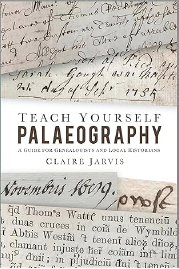 If you want to learn the skills necessary to read and interpret historical handwriting, check out Teach Yourself Palaeography: A Guide for Genealogists and Local Historians from the consortium catalog. This book has a series of exercises in transcription and covers handwriting from the 19th century to the medieval period. This book is helpful if you’re interested in doing any of the transcription opportunities listed above.
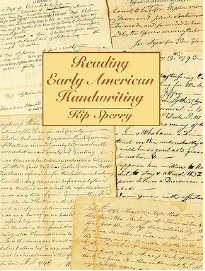 You can also check out Reading Early American Handwriting (GENEALOGY 427.973 SPE) from our collection. This book is designed to teach to read and understand the handwriting found in documents commonly used in genealogical research. It explains techniques for reading early American documents, provides samples of alphabets and letter forms, and defines terms and abbreviations commonly used in early American documents such as wills, deeds and church records.